
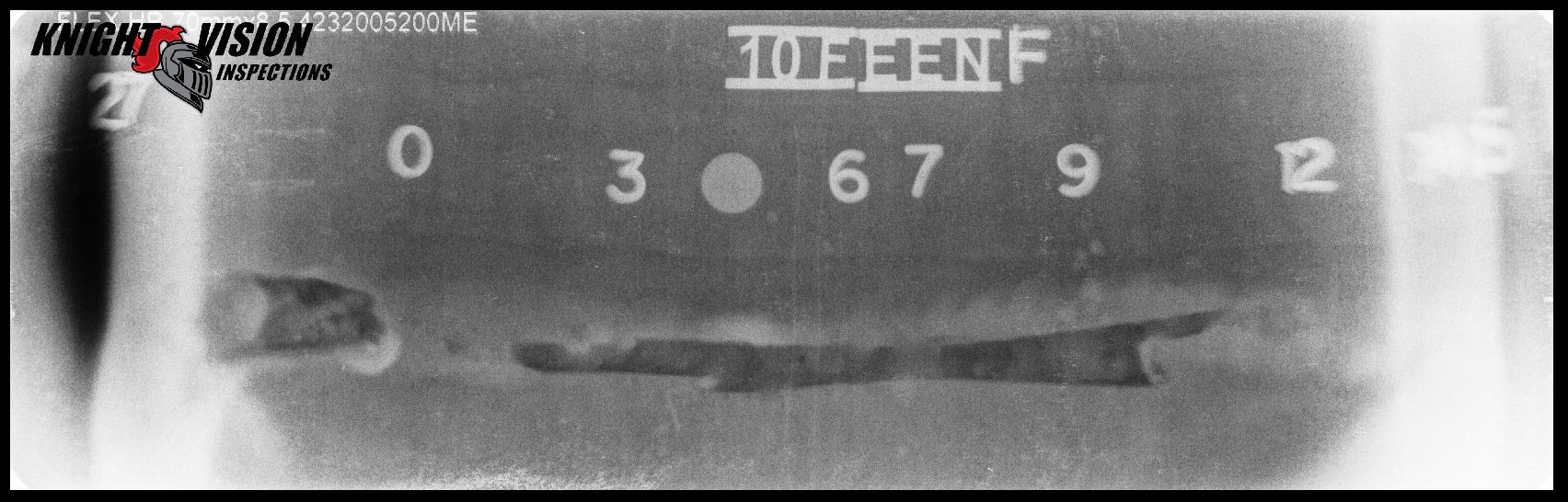
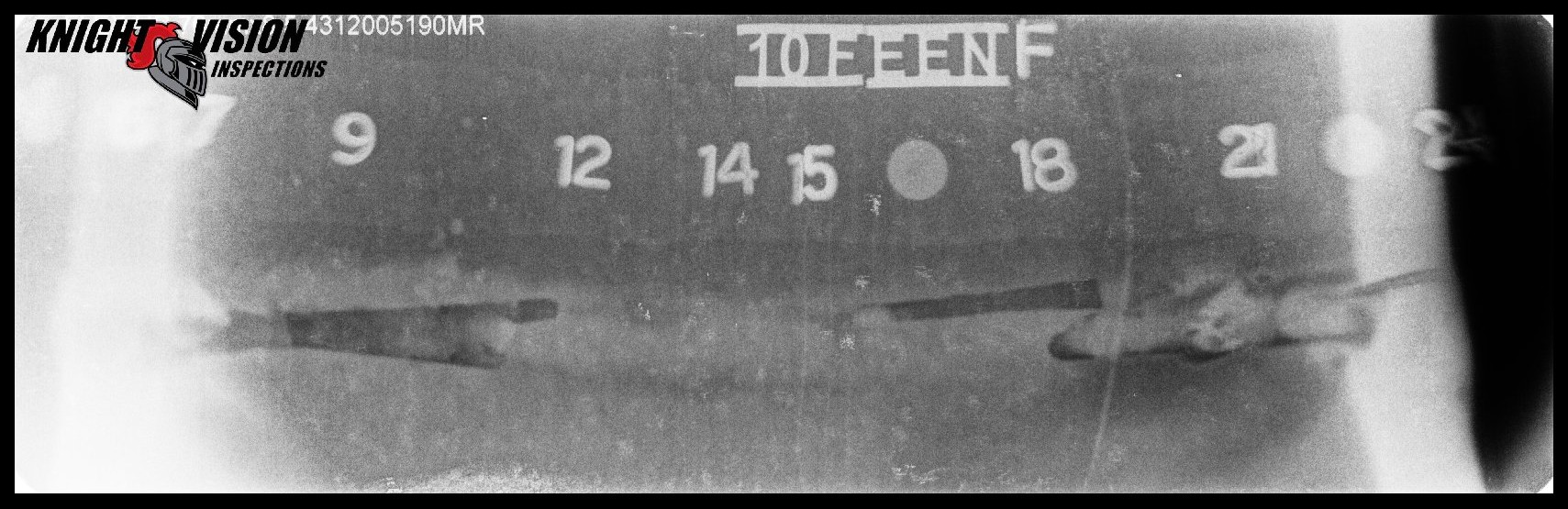
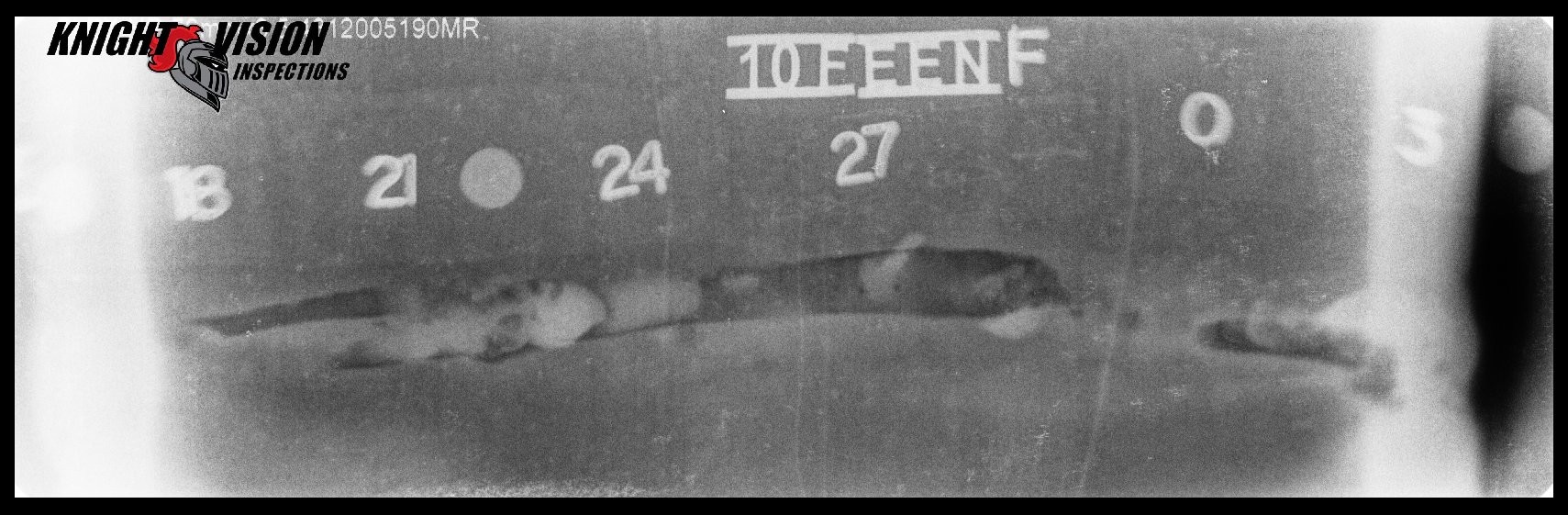
 Beyond the Darkroom: Why We’re Moving to Computed Radiography for Industrial Inspections
REGINA, Saskatchewan — As the demands for industrial safety and operational efficiency reach new heights in 2026, Knight Vision Inspections is proud to announce the integration of Computed Radiography (CR) into our suite of Non-Destructive Testing (NDT) services.
For decades, industrial radiography relied on traditional film—a process that, while reliable, involved time-consuming chemical development and physical storage. By transitioning to CR, we are providing our clients with a faster, safer, and more precise way to “see through” their most critical assets.
Computed Radiography acts as a digital bridge between traditional film and modern imaging. Instead of using silver-based film, CR utilizes Photostimulable Phosphor (PSP) imaging plates.
Capture: The plate is exposed to X-ray or Gamma radiation, just like film.
Digitize: The plate is run through a high-resolution laser scanner, which converts the stored energy into a digital image.
Analyze: Our technicians use advanced software to enhance contrast, zoom into microscopic areas, and share results instantly.
Reuse: The plate is erased with high-intensity light and can be reused up to 1,000 times, drastically reducing waste.
Traditional film can take 30 to 60 minutes to develop in a darkroom. With CR, images are available for analysis within minutes of exposure. This “near real-time” feedback allows for immediate decision-making, keeping your projects on schedule and reducing costly site stand-downs.
CR offers a significantly higher dynamic range than film. This means a single exposure can reveal details in both thin and thick sections of a component simultaneously. Our software allows us to manipulate the digital image—adjusting brightness and contrast—to find subtle cracks, corrosion, or inclusions that might be invisible on a standard film sheet.
By eliminating the need for silver-based films and toxic developing chemicals, CR is a win for the environment. Furthermore, because CR plates are often more sensitive than film, we can frequently achieve high-quality results with lower radiation doses, enhancing safety for both our technicians and your on-site personnel.
Gone are the days of lost film or bulky physical archives. Every inspection result is now a high-resolution digital file (DICONDE compliant). We can instantly email reports to your engineering team or upload them to a secure cloud, allowing for remote collaboration from anywhere in the world.
“The move to Computed Radiography isn’t just a technical upgrade; it’s a commitment to our clients’ bottom line,” says Pat de la Sablonniere at Canadian Plains Energy Services. “By removing the ‘darkroom bottleneck,’ we are helping our partners maintain the highest safety standards without sacrificing the speed of their operations.”
Interested in seeing how Computed Radiography can streamline your next inspection? Contact our NDT specialists today for a consultation or a live demonstration.